

The feminisation of consulting firms is a crucial issue for strengthening the diversity of perspectives. What efforts or initiatives are being undertaken at EY to attract, retain, and promote female talent?
We actively work on recruiting, supporting, and promoting female professionals. Concretely, this involves events and recruitment initiatives specifically targeting women engineers, as well as coaching and mentoring programmes.
Beyond these programmes, what is essential to me is highlighting role models who allow every woman to identify with, project themselves, and see that all paths are open to them! On a daily basis, we embody this with partners, senior managers, and managers from diverse backgrounds and experiences. My deep conviction is that feminising the consulting profession must include all women in their diversity.
As a partner in charge of digital and innovation activities in the healthcare sector, can you share concrete examples of innovative projects using AI in healthcare that you have supported at EY?
There are so many examples to share! I will highlight three to illustrate the diversity of what we do at EY:
- We work with hospitals to help them identify priority use cases, choose market solutions, and implement them, both technologically and to promote their use and improve healthcare practices. Today, these use cases mainly focus on automating radiology analyses, improving medication prescriptions, and optimizing bed management.
- We assist major social welfare organisations in creating generative AI solutions that help citizens navigate their procedures and secure their rights. In this regard, we combine our sector expertise with IT development capabilities to deliver end-to-end projects. In simple terms, this means starting with a concept and vision on paper and ultimately providing our clients with an operational application and chatbot at scale.
- Finally, we are increasingly solicited by research and pharmaceutical companies to collect ever richer and more diverse data to develop new AI solutions while defining frameworks to ensure compliance with new national and European regulations.
How do you incorporate an inclusive vision into your global strategies, particularly regarding AI?
Inclusion in healthcare is essential because we believe technology should not exclude people or create biases in the quality of care. Once again, I am going to be very concrete: we develop methodological frameworks that enable the ethics-by-design AI solutions and analyse their impacts on populations. This includes analysing the representativeness of training data (for example, ensuring that vulnerable populations are adequately represented), as well as in the implementation of accessible services (such as voice bots alongside chatbots), or by transforming change management approaches to ensure human oversight of AI results.
What jobs or skills will be essential for women in a healthcare sector increasingly transformed by AI?
Before specifically addressing AI, it’s important to note that the healthcare sector is undergoing an accelerated digital transformation to preserve our social welfare model and improve care delivery and its quality. So there are a huge number of opportunities that will continue to open up – particularly for women – thanks to the potential of AI. The range of roles is vast (project manager, developer, business analyst, product owner, data scientist, data engineer, UX designer, etc.), but the key differentiators in healthcare are specific skills. I would highlight three that seem essential: understanding care pathways and sector challenges, mastering sector-specific frameworks, and having the pedagogical ability to convince stakeholders who are sometimes far away from digital tools (e.g. doctors, …).
What is your vision of the JFD Club, and how do you think you can contribute to fostering hopes for diversity and inclusion in the future of AI?
The work of the JFD Club and JFD more broadly is essential in my view: we cannot build inclusive digital and AI solutions unless we ensure that the teams designing them are themselves diverse. For instance, endometriosis is a major health issue that remains inadequately addressed, while new AI solutions contribute to facilitate medical care! I am delighted that EY allows me to engage with the JFD Club to shed light on the importance of feminising our professions and on the incredible opportunities the healthcare sector offers women. Above all, I aim to promote a more diverse and inclusive ecosystem.
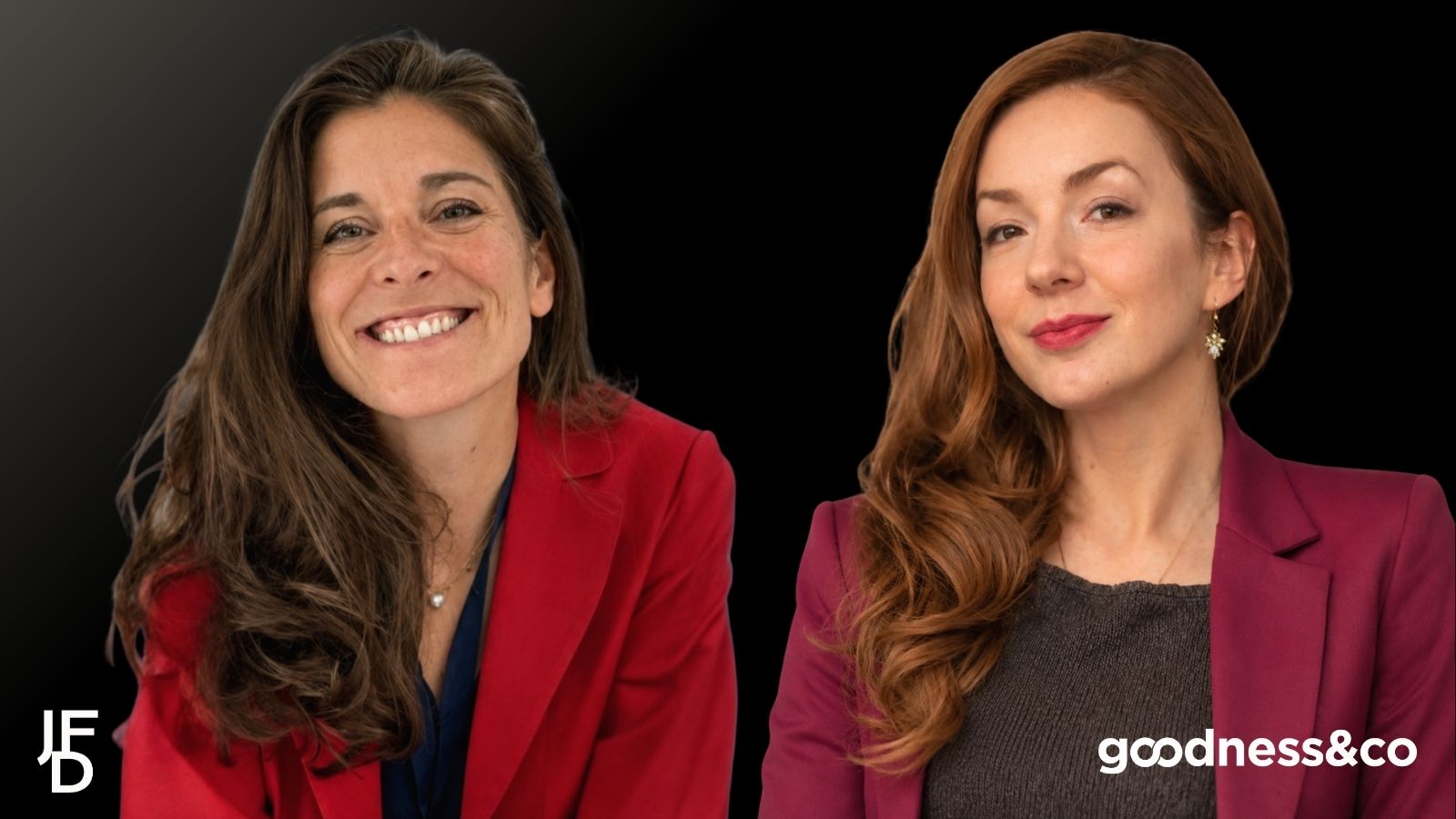
Nihal Filali, Partner in Digital Health Sciences at EY Consulting and JFD Club member
Nihal Filali has built her entire career at EY, which she joined in 2012. She is now a partner overseeing digital and innovation activities across the healthcare ecosystem, including payers, regulators, care providers, research organizations, pharmaceutical industries, biotech, and medtech. She created and leads a team dedicated to the sector, which is unique in the market. She is part of EY’s global “Healthcare” management team. Nihal also contributes to industry challenges through thought leadership and conference participation. She is deeply committed to promoting inclusion and diversity in her role at EY and beyond.